Lock any cabinet or drawer containing cleaning products, medications, knives, glass, or small choking-hazard items. Cabinets with pots, plastic containers, or soft kitchen linens generally don't need locks and can even be left as a 'yes space' for a curious baby to explore safely.
The cabinets that genuinely need a lock
Under-sink cabinets (cleaning products, nearly always the top priority), any cabinet or drawer with medications or vitamins, knife and utensil drawers, cabinets with glass or breakable dishware, and cabinets storing small button-cell batteries or anything that fits a choking-hazard test (through a toilet paper tube).
The cabinets you can skip
Pots, pans and plastic mixing bowls make a lot of noise but pose little actual risk — many parents deliberately leave one low cabinet unlocked as a dedicated 'baby cabinet' to redirect curiosity away from the locked ones. Towel and linen drawers, and cabinets with soft, unbreakable kitchen items, are similarly low-risk.
Which type of lock actually works
Magnetic locks (a key-activated magnet unlocks from outside) are the most secure but require installing a matching latch inside every cabinet — more setup, harder for a toddler to defeat. Adhesive strap locks are faster to install and fine for lower-priority cabinets, but determined toddlers over about 18 months sometimes work them loose. Sliding cabinet locks that link two adjacent handles are a good middle ground for many kitchen cabinets.
Match the lock strength to the cabinet's risk level — invest in the most secure option for the under-sink and medication cabinets specifically, and use simpler locks elsewhere.
Don't forget the less obvious spots
Bathroom vanity cabinets often store medications and are easy to overlook since baby-proofing efforts concentrate on the kitchen. Laundry room cabinets with detergent pods are a serious choking and poisoning risk and deserve the same lock priority as kitchen cleaning products. Any low dresser drawer in a shared space (not just the nursery) is worth a quick check too.

Crawl & Cuddle
A soft head & back cushion for exactly this stage
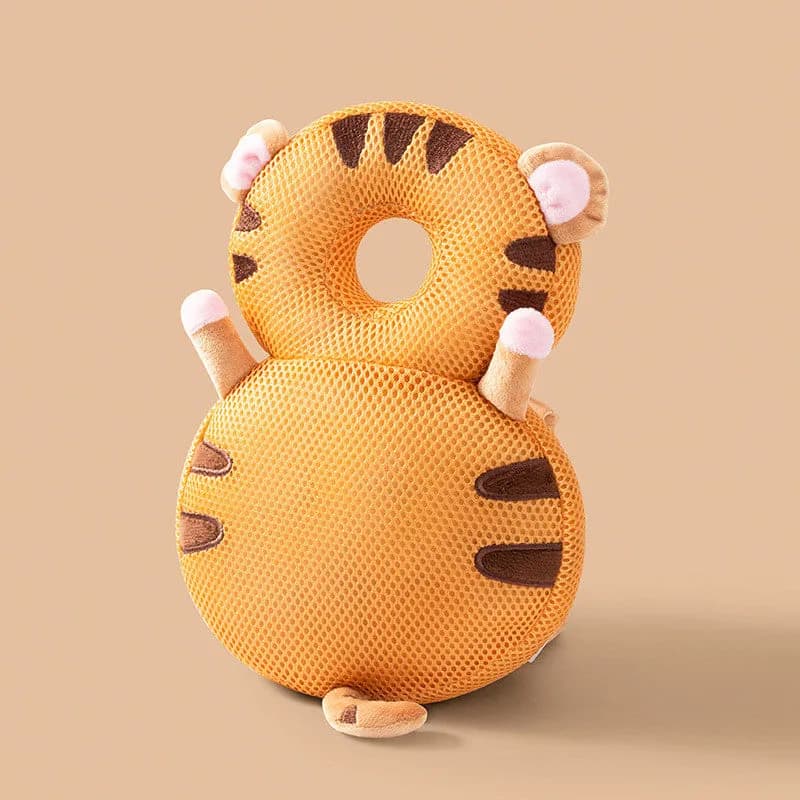
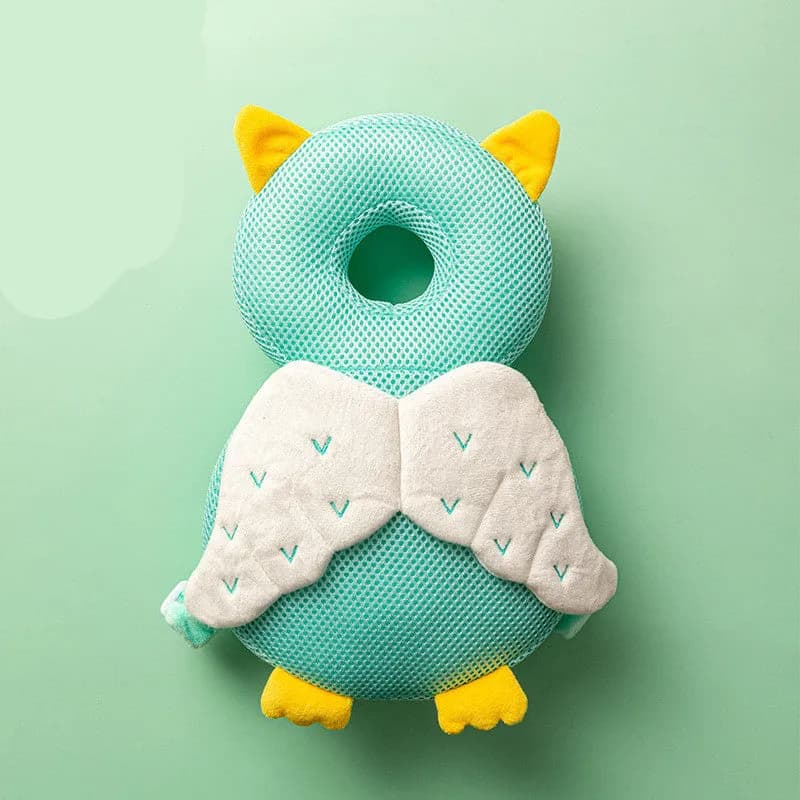
190 g, breathable 3D mesh, adjustable from 5 to 24 months — built around the backward-fall pattern this article covers.
Shop all ten stylesFrequently asked questions
Do I need to lock every cabinet in the house?
No. Focus on cabinets with cleaning products, medications, sharp items, glass, or choking hazards. Low-risk cabinets (pots, plastic containers) can be left open.
What's the most important cabinet to lock first?
The under-sink cabinet, if it contains cleaning products — this is consistently the highest-priority lock in any kitchen or bathroom.
Are adhesive strap locks strong enough?
They're adequate for lower-priority cabinets, but a magnetic or more robust lock is worth the extra setup for anything storing medications or cleaning chemicals.