
The baby proofing checklist changes in three stages: pre-mobile (before 5 months) focuses on the nursery and sleep space; crawling (5–10 months) focuses on floor level — outlets, cords, small objects, cabinets; and cruising-to-walking (10–24 months) focuses on furniture anchoring, stairs, corners and anything that can be pulled down from standing height.
Stage 1 — Before they're mobile (0–5 months)
This is the easiest window to get ahead of the checklist. Install furniture anchors on any dresser, bookshelf or TV stand now, before a baby is around to pull on them — tip-over incidents are one of the most preventable and most serious nursery injuries. Set the crib mattress to its lowest position, remove crib bumpers and loose bedding, and set water heater temperature below 120°F to prevent scald injuries once bath time starts. Cover unused outlets throughout the house, not just the nursery.
Stage 2 — Crawling (5–10 months)
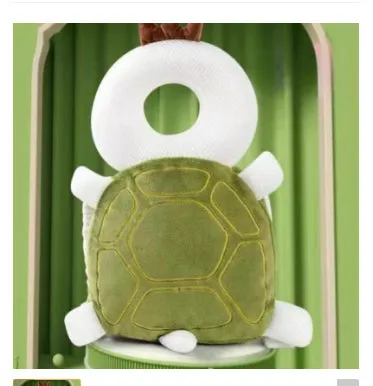
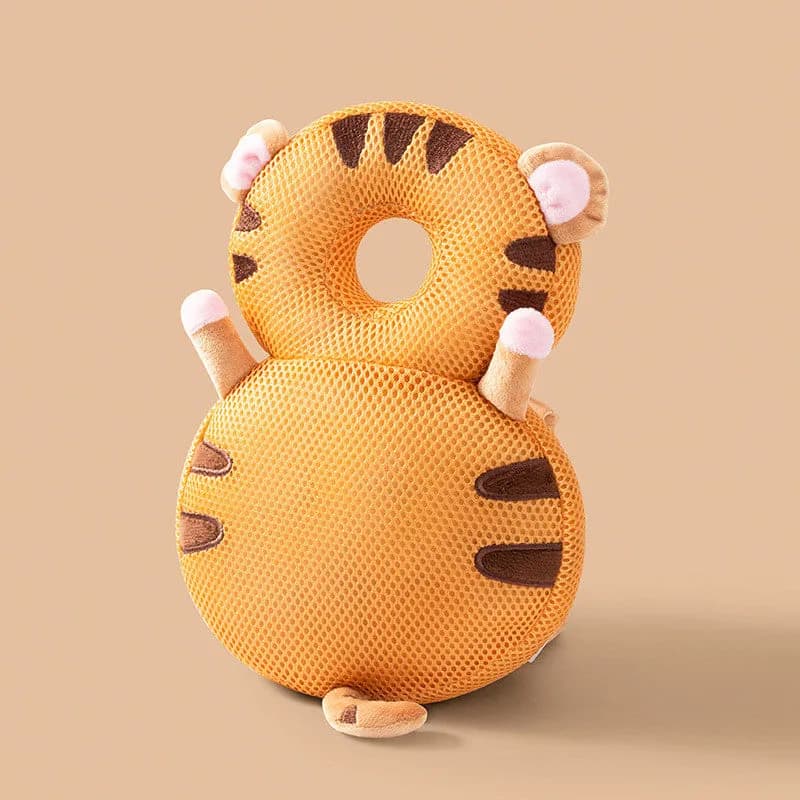
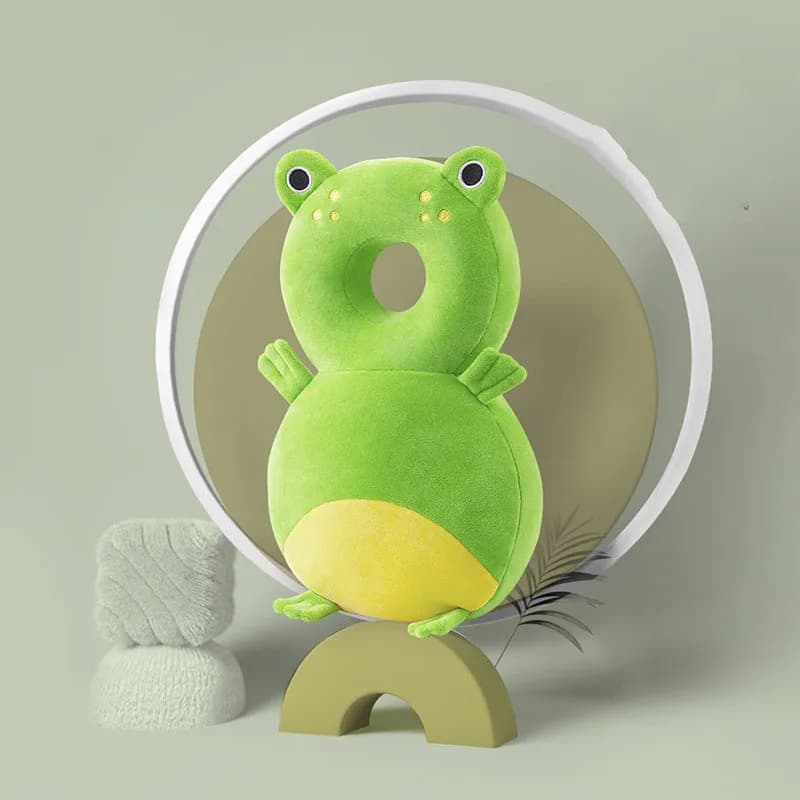
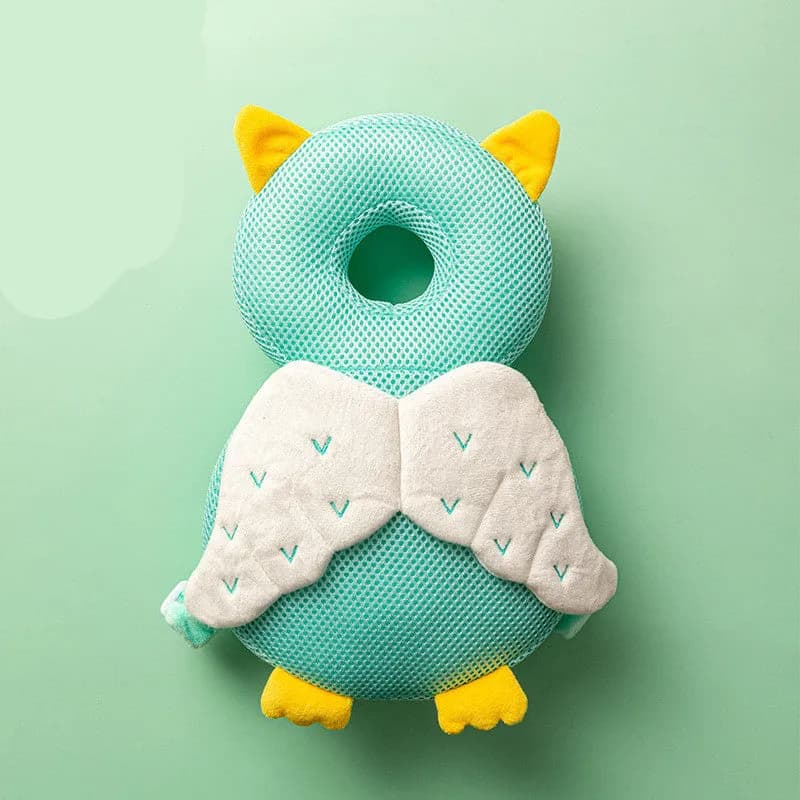
Everything shifts to floor level. Get down on your hands and knees in every room your baby will access and look for: cords (blind cords especially — use cordless or tie them up high), small objects that fit through a toilet-paper tube (choking hazard), unlatched low cabinets and drawers (install cabinet locks, especially anywhere cleaning products or medications are stored), sharp table and hearth corners at head height (add corner guards), and hard flooring where your baby spends the most time crawling and pulling up — a play mat or the head-and-back cushion approach covers the gap a play mat alone doesn't, which is the backward tip-over onto the floor rather than a scrape while crawling forward.
This is also the stage to gate off stairs on both ends and check that gates are hardware-mounted (not pressure-mounted) at the top of any staircase.
Stage 3 — Cruising and walking (10–24 months)
Once your child is pulling to stand and cruising along furniture, the risk moves from floor-level to furniture-level. Recheck every anchor point installed in Stage 1 — a baby who now weighs 20+ lbs and can climb changes the stress on anchor hardware. Add fireplace hearth guards if applicable. Move anything breakable, heavy, or hot off low tables and shelves within arm's reach of a cruising toddler. Toilet locks and a stove knob cover become relevant here too, as mobility and curiosity both increase.
This is the window where backward falls from standing are most frequent — off the sofa, off the coffee table, off a low step — which is exactly the fall pattern a head-and-back protector is designed to cushion during unsupervised or lightly supervised floor time.
A simple room-by-room list
Living room: furniture anchors, corner guards on coffee tables, cords tied up, TV mounted or anchored. Kitchen: cabinet locks on cleaning-product cabinets, stove knob covers, trash can with a child-resistant lid. Bathroom: toilet lock, non-slip bath mat, water heater capped below 120°F, medications in a locked cabinet. Bedrooms: furniture anchored, blind cords secured, outlets covered. Stairs: hardware-mounted gates top and bottom.

Crawl & Cuddle
A soft head & back cushion for exactly this stage
190 g, breathable 3D mesh, adjustable from 5 to 24 months — built around the backward-fall pattern this article covers.
Shop all ten stylesFrequently asked questions
What's the most important item on a baby proofing checklist?
Furniture anchors. Furniture and TV tip-overs are among the most serious and most preventable injuries in this age range, and they're the one item worth installing before your baby is mobile at all.
Do I need a full baby proofing kit or can I buy items separately?
Either works. A kit is convenient for covering outlets and basic cabinet locks in one pass, but corner guards, furniture anchors and stair gates are usually worth choosing individually since fit and hold strength vary by furniture type.
When should I start baby proofing?
Start with furniture anchoring and nursery safety before 5 months, then do a full floor-level pass right before your baby starts crawling — usually around 6–7 months.
Does a head protector backpack replace floor padding?
No — they solve different problems. Floor padding (mats, rugs) softens the general play area; a head-and-back protector cushions the specific backward-tip fall pattern wherever your baby happens to be standing, including rooms without a play mat.