Most babies start some form of crawling between 6 and 10 months, typically progressing from a rocking or scooting stage around 5–6 months to a coordinated hands-and-knees crawl by 8–9 months. Some babies skip crawling entirely and move straight to cruising and walking, which is considered a normal variation.
Month 5–6: the setup phase
Sitting unsupported, or nearly so, usually arrives first. Many babies begin rocking on hands and knees during this window — a strengthening motion that looks like they're revving up to crawl but often doesn't produce forward movement yet. Reaching forward from a seated position and tipping over onto hands is common here too, which is the first version of the backward-and-forward tip pattern that continues through the next several months.
Month 6–8: scooting, army crawling, or both
This is where the most variation shows up. Some babies scoot on their bottom, some do a commando-style army crawl (belly on the floor, pulling with the arms), and some go straight to a hands-and-knees crawl. All three are normal, and the specific style has no bearing on later motor development — it's simply a matter of which muscle groups a given baby recruits first.
Month 8–10: coordinated crawling and the first pull-to-stand
By 8–9 months, most babies who are going to crawl on hands and knees have found a coordinated, reciprocal pattern (opposite arm and leg moving together) and can cover ground quickly. This is also when pulling to stand on furniture typically begins, layering a new fall pattern — backward off standing — on top of the existing crawling falls.
If your baby doesn't crawl
Somewhere between 5 and 15% of babies never crawl in a traditional sense, moving instead from sitting directly to cruising and walking. Pediatricians generally don't consider this a concern on its own, as long as other gross motor milestones (sitting, pulling to stand, weight-bearing on legs) are progressing normally. It becomes worth mentioning at a check-up only if paired with other developmental delays.
Safety through this window
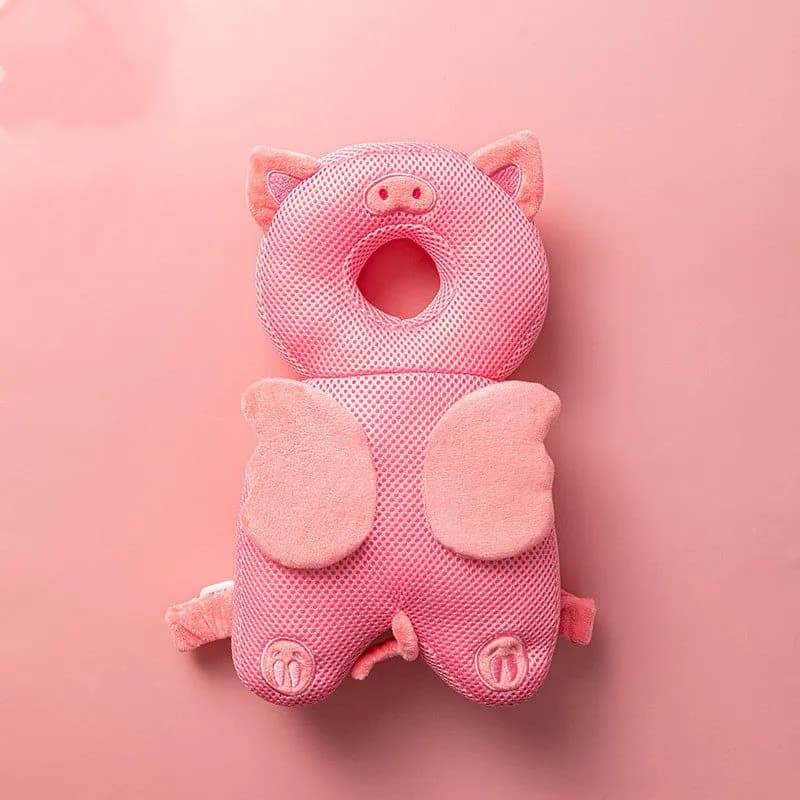
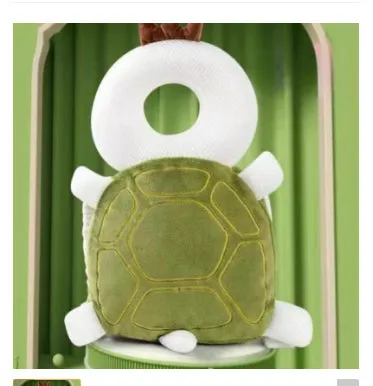
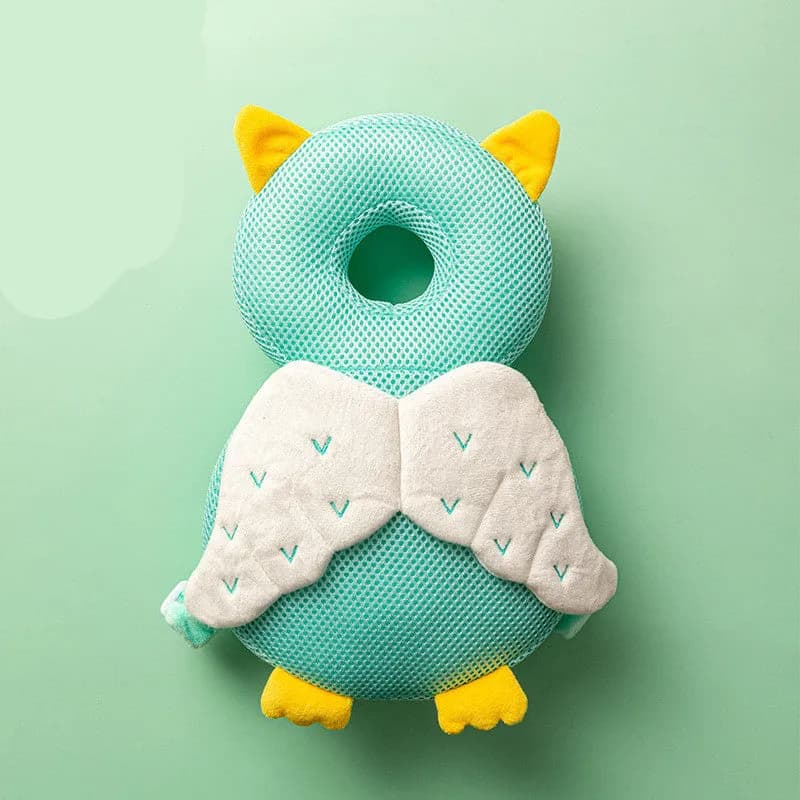
Every crawling style — army, bottom-scoot, or hands-and-knees — shares the same fall risk profile once a baby starts reaching pull-to-stand attempts around 8–9 months: overbalancing backward onto the floor. Floor-level baby proofing (outlet covers, cabinet locks, cord management) matters most during months 6–8, while furniture anchoring and a head-and-back cushion become more relevant as pull-to-stand attempts increase from month 8 onward.

Crawl & Cuddle
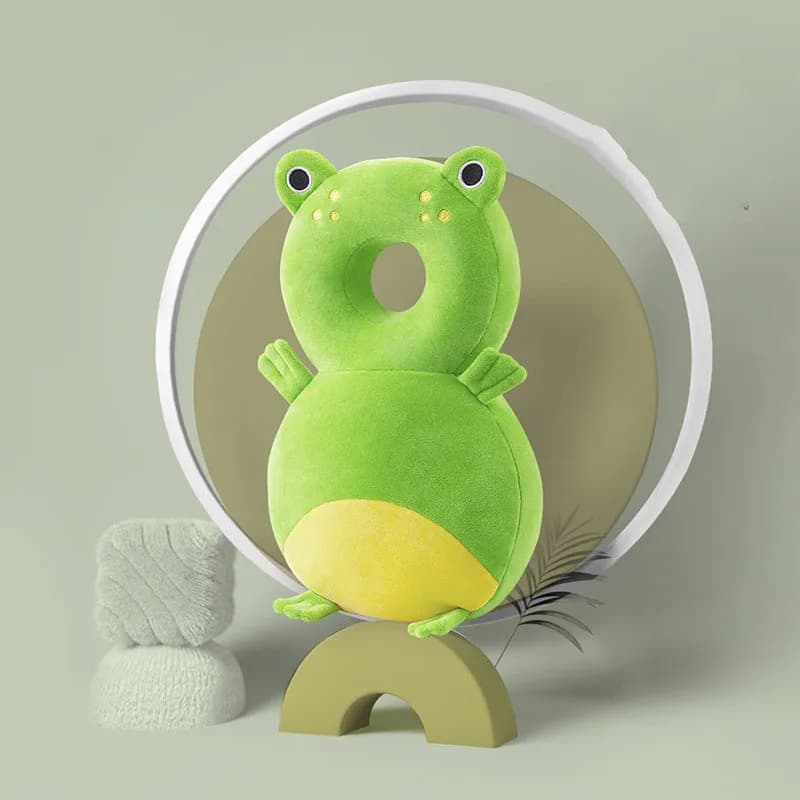
A soft head & back cushion for exactly this stage
190 g, breathable 3D mesh, adjustable from 5 to 24 months — built around the backward-fall pattern this article covers.
Shop all ten stylesFrequently asked questions
Is it normal for a baby to skip crawling?
Yes. A meaningful minority of babies move from sitting straight to cruising and walking without a traditional crawl phase, and this is considered a normal developmental variation.
What's the difference between army crawling and regular crawling?
Army crawling (commando crawling) keeps the belly on the floor and uses the arms to pull forward; regular crawling lifts the body onto hands and knees. Both are normal, and many babies do one before transitioning to the other.
When should I worry if my baby isn't crawling yet?
If your baby isn't crawling, scooting, or showing another form of forward mobility by 12 months, or isn't sitting unsupported by 9 months, it's worth discussing at a pediatric visit.