

Fatigue measurably reduces balance and coordination in toddlers — tired legs, slower reflexes, and reduced attention combine to make late-afternoon and pre-bedtime hours a genuine higher-fall-risk window, independent of any developmental stage.
The fatigue-balance connection
Balance is an active, attention-demanding skill for a toddler in a way it no longer is for an adult. Fatigue reduces the mental bandwidth available for that active balancing, on top of physically tired leg and core muscles that are doing more of the stabilizing work than most parents realize. The combination shows up clearly in most households as a predictable uptick in stumbles and falls in the hour or two before a nap or bedtime.
Big emotions add another layer
A toddler mid-tantrum, or just emotionally dysregulated, is also physically less coordinated — crying, flailing, or storming off are all happening alongside, not instead of, the same balance challenges as any other moment. This is why falls during or right after an emotional outburst often look more dramatic than the equivalent stumble during calm play.
Practical adjustments for the end of the day
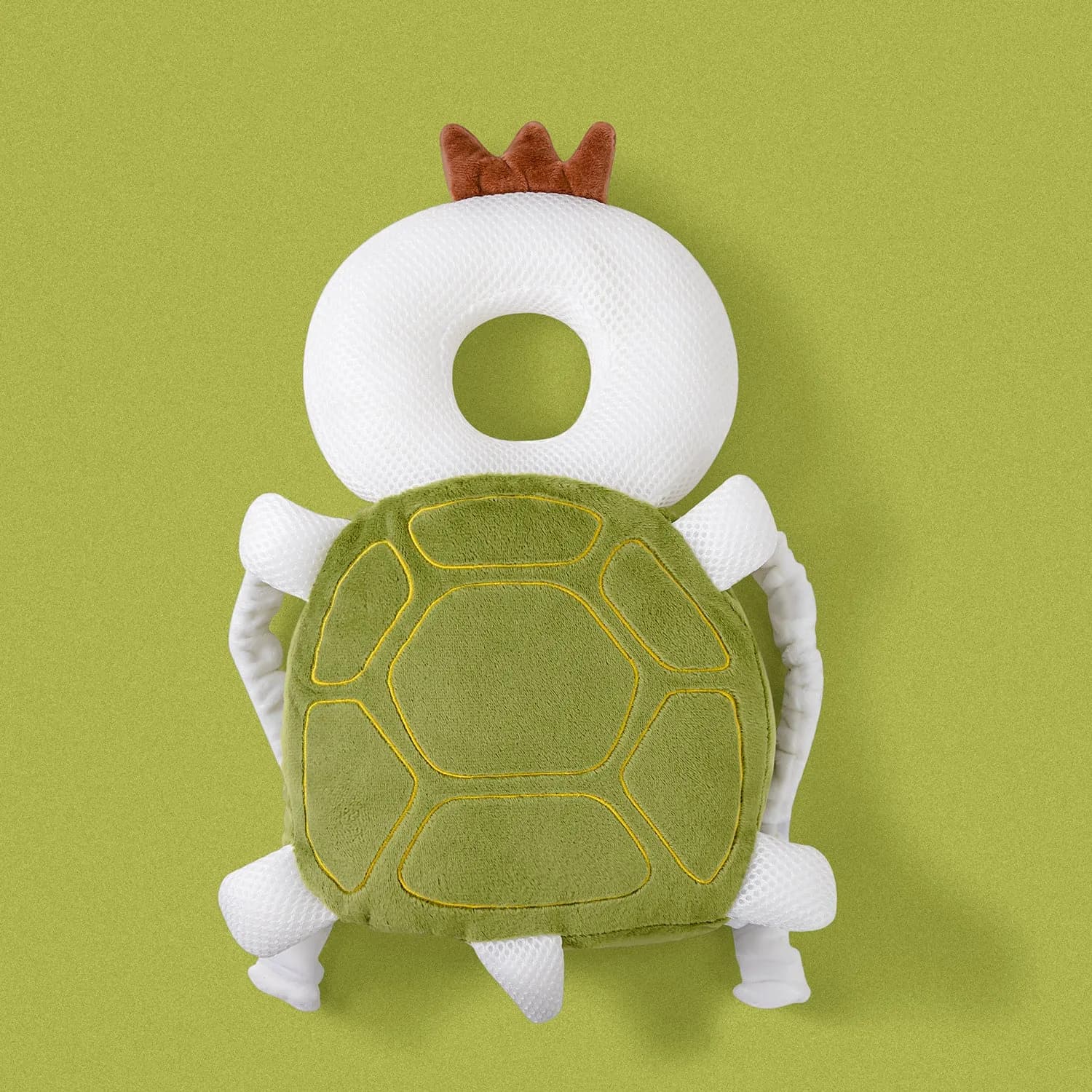
Recognize the late-afternoon window as a naturally higher-risk stretch and adjust supervision accordingly — sit closer during floor time, keep the most demanding physical activities (like climbing) earlier in the day when possible. If a head-and-back protector is in regular rotation, this is exactly the window where it earns its keep most — fatigue-driven falls are frequently backward and unbraced, the same pattern the cushion is built for.
It's not a sign of regression
A toddler who was walking confidently all morning and suddenly seems wobbly and fall-prone by 5pm hasn't lost a skill — they're simply running low on the physical and attentional resources that skill depends on. A nap, snack, or an earlier bedtime usually resolves it without any other intervention needed.

Crawl & Cuddle
A soft head & back cushion for exactly this stage
190 g, breathable 3D mesh, adjustable from 5 to 24 months — built around the backward-fall pattern this article covers.
Shop all ten stylesFrequently asked questions
Why does my toddler fall more right before bedtime?
Fatigue reduces both physical coordination and attention, both of which balance depends on — it's a normal, temporary dip rather than a developmental setback.
Should I stop letting my toddler walk around when they're tired?
Not necessary — closer supervision and a safer environment (soft flooring, cushioning) during that window is usually a better approach than restricting movement.
Does an emotional meltdown affect a toddler's balance?
Yes — the physical dysregulation that comes with big emotions (flailing, crying, running off) genuinely reduces coordination in the moment, on top of the toddler's baseline developing balance.