You can baby-proof most unfamiliar spaces — a hotel room, a relative's house — in under 20 minutes by checking for unanchored furniture, covering accessible outlets with travel covers, moving cords and small objects out of reach, and identifying the hardest flooring surfaces where you'll want extra supervision or a wearable cushion.
The 20-minute unfamiliar-space check
On arrival, before unpacking: scan for furniture your baby could pull up on that isn't anchored to a wall (hotel dressers and TV stands are common offenders — request the TV be wall-mounted or the stand secured if it wobbles). Check for accessible outlets at floor level and cover them with portable outlet covers. Identify and move any cords, small decorative objects, or breakables within crawling/cruising reach. Note the hardest flooring in the room — usually tile in a hotel bathroom or entryway — and treat it as a no-go zone without direct supervision.
What's actually worth packing
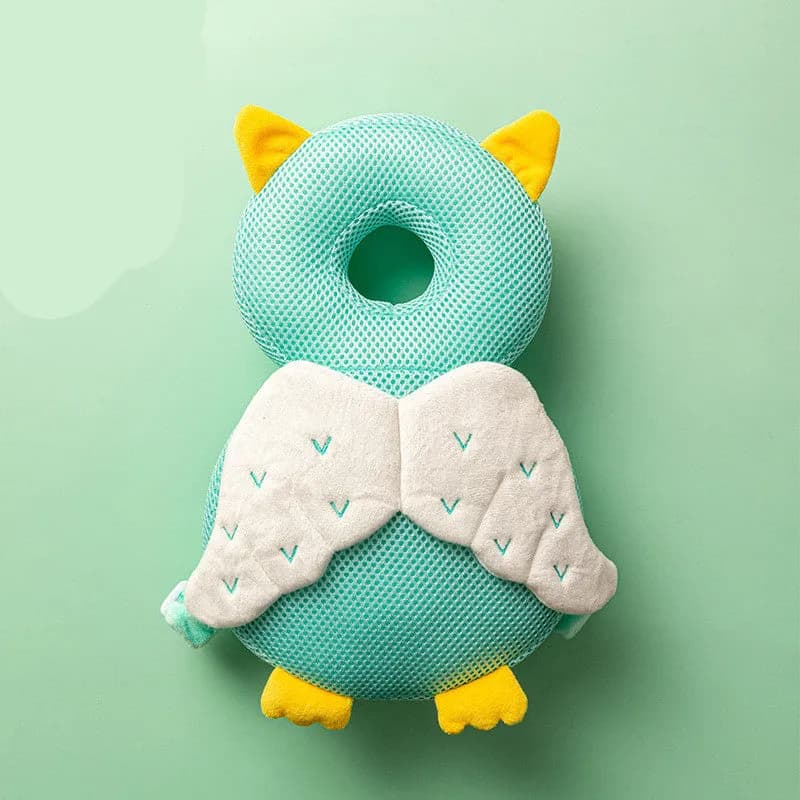
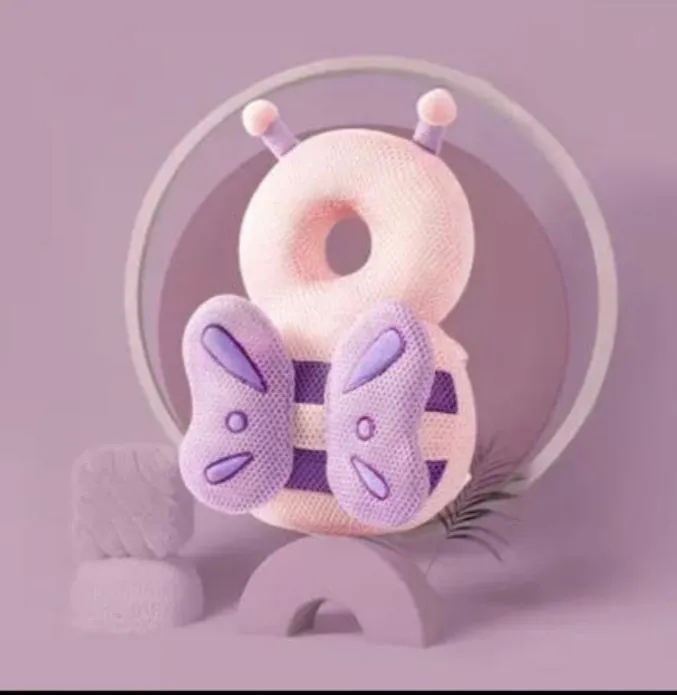
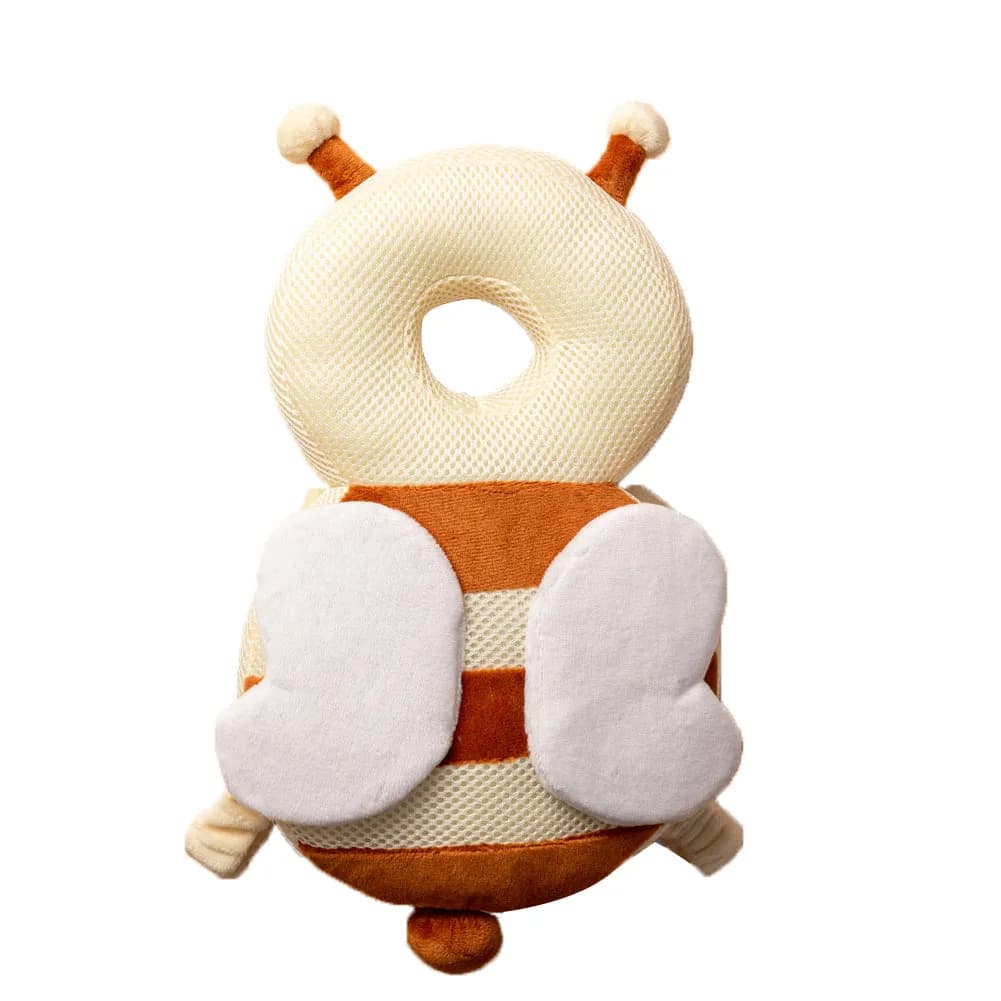
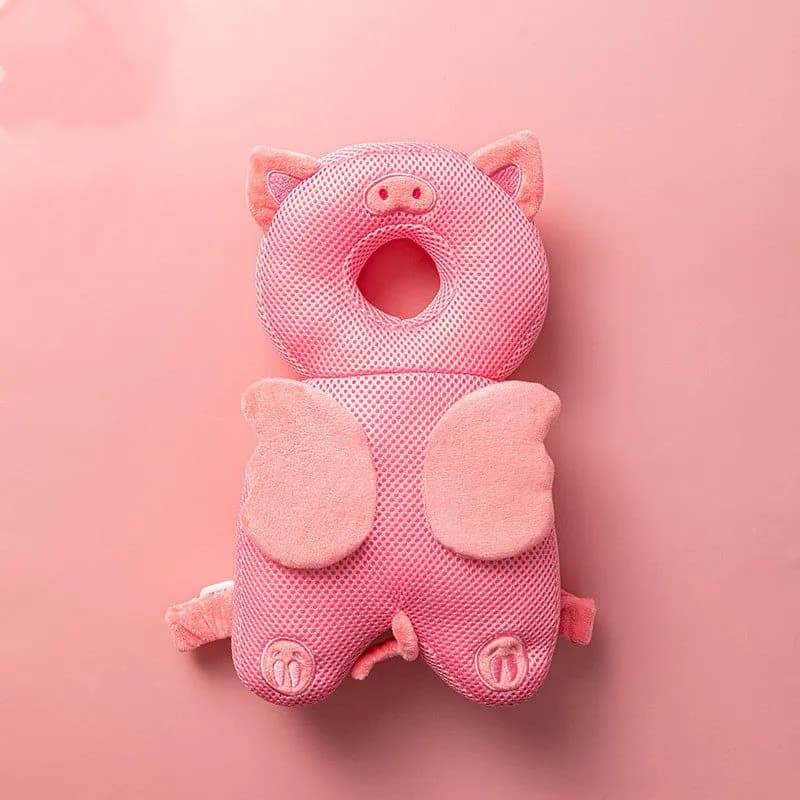
A compact baby proofing kit (outlet covers, a few corner guards, cabinet strap locks) covers the basics for any unfamiliar space. A lightweight head-and-back protector is one of the highest-value packing items for travel specifically, because it's the one piece of protection that doesn't depend on the room itself being safe — it travels with your baby regardless of the flooring, furniture, or layout you land in.
A travel-sized baby gate for doorways is worth it for multi-day stays at a relative's house; less so for a single hotel night.
Grandparents' houses and other family visits
These often carry more risk than hotels, not less — a home that hasn't been baby-proofed in years (or ever) may have unanchored furniture, accessible stairs, and low tables with sharp corners that a hotel room simply doesn't have. It's reasonable to do a quick, friendly walkthrough with family before a visit and flag the one or two things worth temporarily addressing.
Long flights and car rides
Not a fall-safety issue directly, but worth noting: once you land or arrive, a baby who's been restrained for hours often wants to move immediately and vigorously — which is exactly when a quick safety scan of the new space matters most, before the excitement of a new environment turns into the first exploratory lap.

Crawl & Cuddle
A soft head & back cushion for exactly this stage
190 g, breathable 3D mesh, adjustable from 5 to 24 months — built around the backward-fall pattern this article covers.
Shop all ten stylesFrequently asked questions
Do I need to bring my own baby proofing kit when traveling?
A small travel kit with outlet covers and a couple of corner guards is lightweight and covers most short-stay situations. For longer stays, consider furniture anchor straps too.
Is a hotel room usually safe for a crawling baby?
It varies. Furniture is often not anchored, and bathroom flooring is hard tile — a quick 20-minute check on arrival covers the main risks.
What's the single most useful item to pack for baby safety while traveling?
A lightweight, wearable head-and-back protector, because it protects your baby consistently regardless of how safe or unsafe the specific space turns out to be.